Best Frontend Frameworks to Learn in 2025 for Web Developers

Best Frontend Frameworks to Learn in 2025 for Web Developers
The web development ecosystem is evolving rapidly, and choosing the right frontend framework can make or break your project. With users expecting faster, cleaner, and more interactive websites, developers must stay updated with modern tools. In 2025, several frameworks continue to lead the pack — let’s explore which ones deserve your attention.
1. React.js — Still the King of Frontend
Created by Facebook, React remains the most popular frontend library in 2025. Its component-based architecture and virtual DOM make UI updates lightning-fast. Developers love React for its vast ecosystem, reusable components, and flexibility to integrate with any backend.
React is ideal for large-scale applications, SPAs, and projects where performance is a priority. With Next.js, developers can also enjoy server-side rendering for improved SEO and speed.
2. Vue.js — Simplicity Meets Power
Vue.js is known for its simplicity and gentle learning curve. It offers two-way data binding, reactive components, and excellent documentation. In 2025, Vue 3 with Composition API and better TypeScript support makes it even more powerful.
Vue is perfect for small to medium projects or teams that want fast development with minimal setup. It’s also becoming a favorite for startups and creative agencies.
3. Angular — The Enterprise Choice
Backed by Google, Angular continues to be the go-to framework for large-scale enterprise applications. Its built-in dependency injection, TypeScript support, and strong structure make it suitable for big projects with multiple developers.
Although Angular has a steeper learning curve, it provides everything out-of-the-box — routing, state management, and testing tools — making it a full-fledged solution for robust apps.
4. Svelte — The Future of Reactive UI
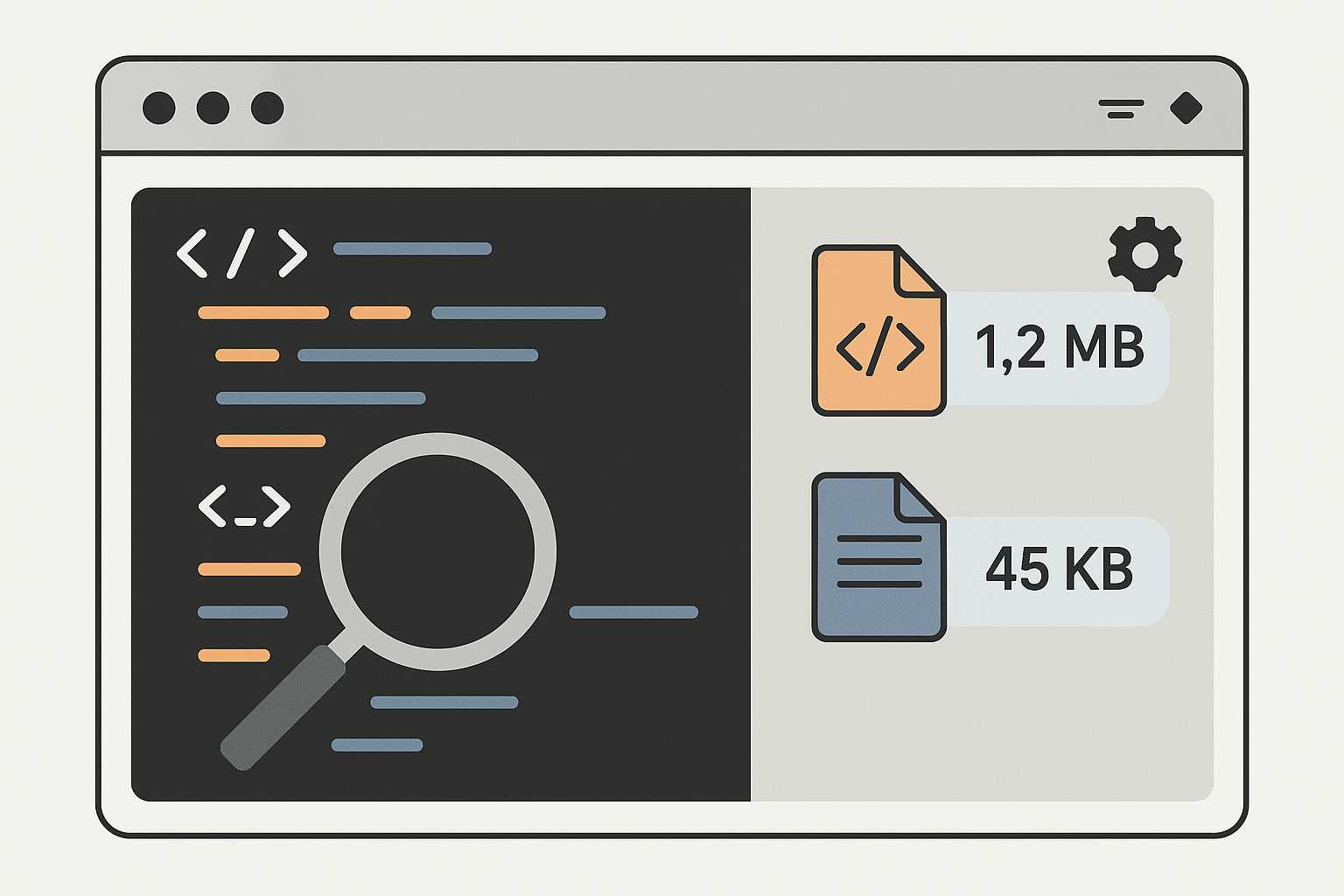
Svelte is one of the most exciting frameworks of 2025. Unlike React or Vue, it doesn’t use a virtual DOM. Instead, Svelte compiles your code into highly optimized vanilla JavaScript at build time, resulting in faster performance and smaller bundle sizes.
Developers appreciate Svelte for its simplicity, reactivity, and developer-friendly syntax. It’s a great choice for projects that demand speed and a lightweight architecture.
5. Solid.js — The Rising Star
Solid.js has gained attention in the developer community for combining the best of React and Svelte. It uses fine-grained reactivity and compiles to highly efficient code, making it extremely fast.
While still newer compared to others, Solid.js is perfect for developers looking to experiment with next-generation frontend performance.
6. Qwik and Astro — Frameworks for the Future
New-generation frameworks like Qwik and Astro are introducing a concept called “resumability,” allowing instant page loads even on slower devices. These frameworks focus on performance-first architecture and SEO optimization, making them strong contenders for 2025 and beyond.
Choosing the Right Framework
Each framework has its strengths. The right choice depends on your project’s needs:
- React: For large-scale dynamic applications.
- Vue: For fast, lightweight development.
- Angular: For enterprise-grade web apps.
- Svelte: For high performance and small bundles.
- Solid.js: For cutting-edge developers exploring the future.
Final Thoughts
Frontend development in 2025 is all about speed, simplicity, and better user experiences. Whether you’re just starting or looking to upgrade your skills, mastering one or more of these frameworks will future-proof your career.
Stay updated on the latest development tools and frameworks at KnowAdvance — your trusted source for web technologies, tutorials, and modern coding trends.